Best Tool Storage Cabinets for Basement Workshops
A cluttered basement workshop can quickly turn even simple DIY tasks into frustrating projects. Tools get misplaced, surfaces become crowded, and productivity drops. If you’ve ever spent more time searching for a wrench than actually using it, you already know the problem.
The right tool storage cabinet can completely change how your workspace functions. A well-organized system keeps everything accessible, protects your tools from moisture, and helps you work faster and safer. In this guide, you’ll discover the best tool storage cabinets for basement workshops, along with expert tips to help you build a setup that lasts.
Why Basement Workshops Need Specialized Tool Cabinets
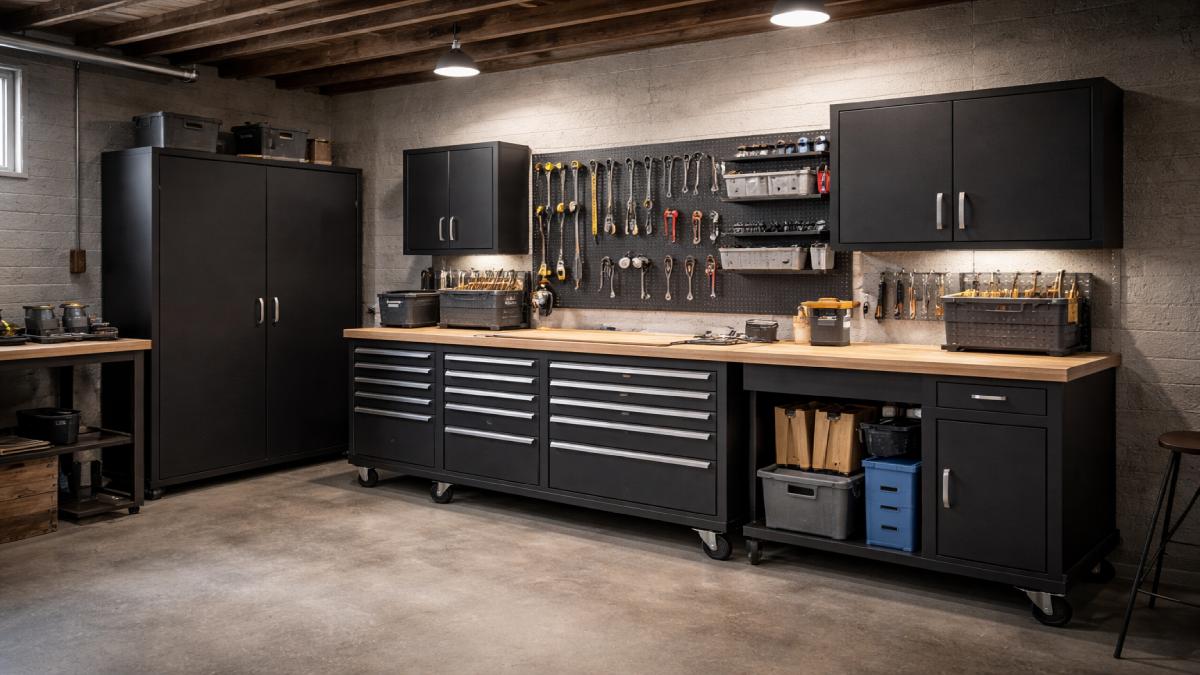
Basement workshops are different from garages or outdoor workspaces. They come with their own challenges, which means your storage solution needs to be tailored for the environment.
Humidity and Moisture Risks
Basements often have higher humidity levels. This can lead to rust, corrosion, and damage to your tools over time. A high-quality cabinet made from powder-coated steel or corrosion-resistant materials helps protect your investment.
Limited Space and Layout Constraints
Most basements don’t offer unlimited room. You need storage that maximizes vertical space and keeps the floor clear. Tall cabinets, wall-mounted units, and compact designs are ideal here.
Improved Workflow and Efficiency
When tools are organized properly, your workflow improves. You spend less time searching and more time working. A structured cabinet system also reduces accidents and keeps your workspace safer.
Types of Tool Storage Cabinets for Basement Workshops
Not all tool cabinets are built the same. Each type serves a different purpose, so it’s important to pick one that matches your needs.
Stationary Tool Cabinets
Stationary cabinets are the most popular option for basement workshops. They offer strong construction, high weight capacity, and long-term durability. Since basements are fixed spaces, mobility is less important than stability.
Rolling Tool Cabinets
Rolling cabinets provide flexibility, but they are less common in basement setups. They work well if you occasionally rearrange your workspace, but they may not offer the same stability as fixed units.
Wall-Mounted Cabinets
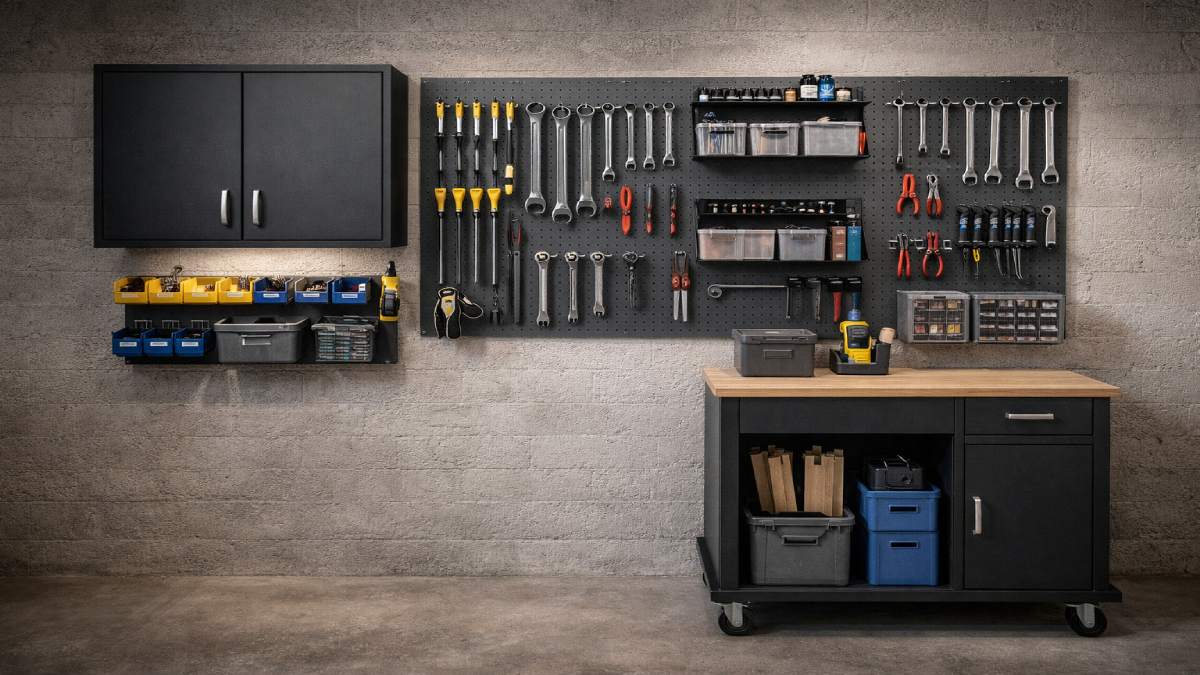
Wall-mounted cabinets are perfect for saving space. They keep tools off the floor and within easy reach. Pair them with pegboards or rail systems for even more storage options.
Modular Storage Systems
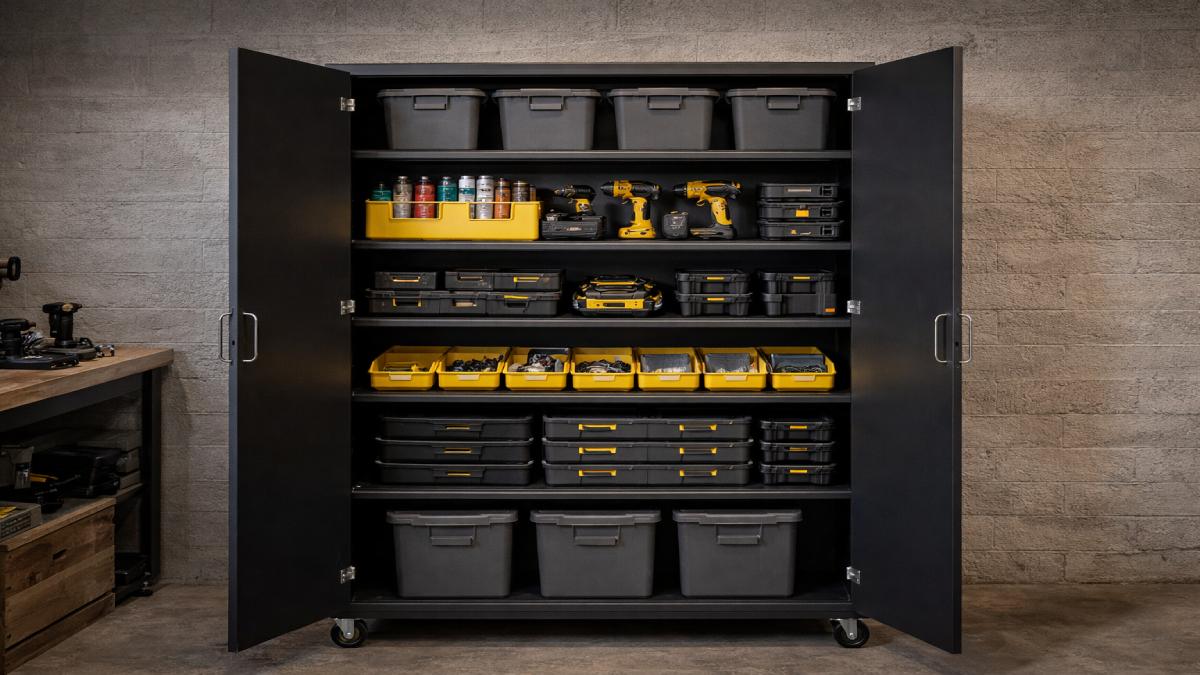
Modular systems are growing in popularity. These systems allow you to expand your storage as your tool collection grows. You can stack, rearrange, or add new components over time.
Workbench and Cabinet Combos
These units combine storage with a working surface. They are ideal for small basement workshops where every inch matters. You get both functionality and efficiency in one setup.
Key Features to Look for in Tool Storage Cabinets
When choosing the best tool storage cabinet, focus on features that improve durability, usability, and organization.
Material Quality
Steel cabinets are the top choice for most workshops. They offer strength, durability, and resistance to wear. Powder-coated finishes add extra protection against rust, which is essential in basements.
Aluminum cabinets are lighter and resistant to corrosion, but they may not handle heavy loads as well. Plastic cabinets are budget-friendly, but they lack long-term durability for serious tool storage.
Drawer Configuration
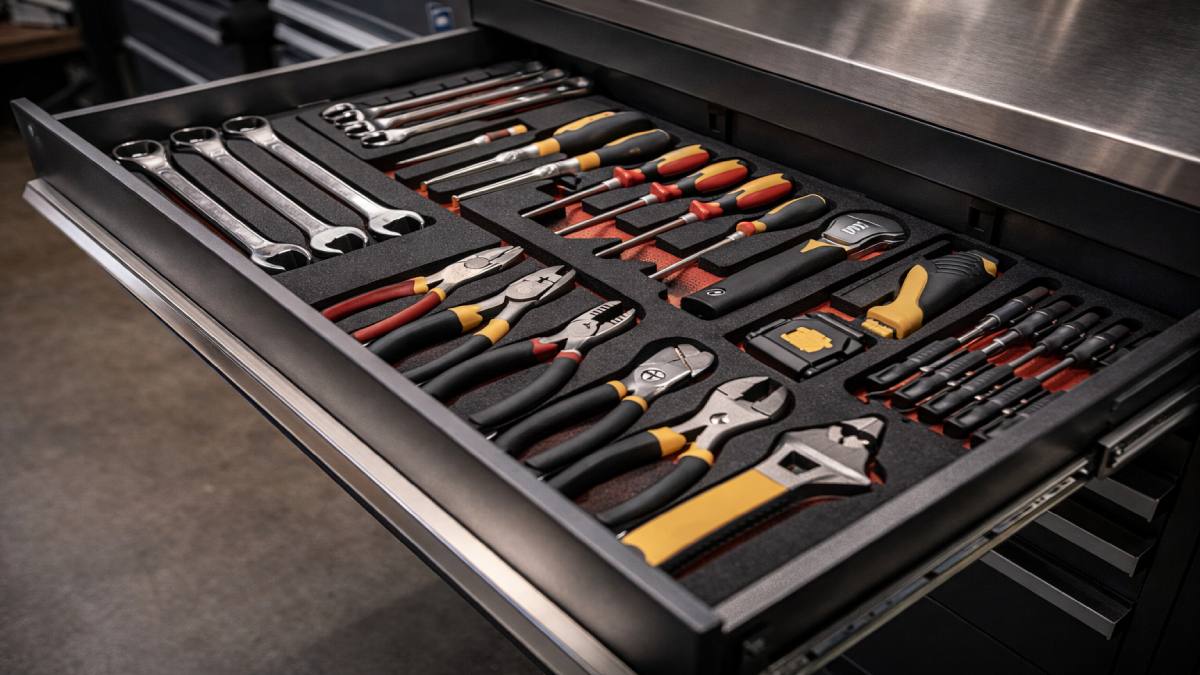
A mix of shallow and deep drawers works best. Shallow drawers are perfect for hand tools, while deep drawers can hold larger equipment. This setup keeps everything organized and easy to access.
Drawer Slides and Build Quality
Look for ball-bearing drawer slides. They provide smooth operation and can handle heavier loads. Full-extension drawers allow you to access tools at the back without hassle.
Weight Capacity
Each drawer should support at least 75 to 100 pounds for a reliable setup. Heavy-duty cabinets can handle even more, making them ideal for power tools and bulky items.
Security Features
Locking systems keep your tools safe and organized. Central locking mechanisms are especially useful if you want to secure all drawers at once. Anti-tip features add another layer of safety.
Size and Space Efficiency
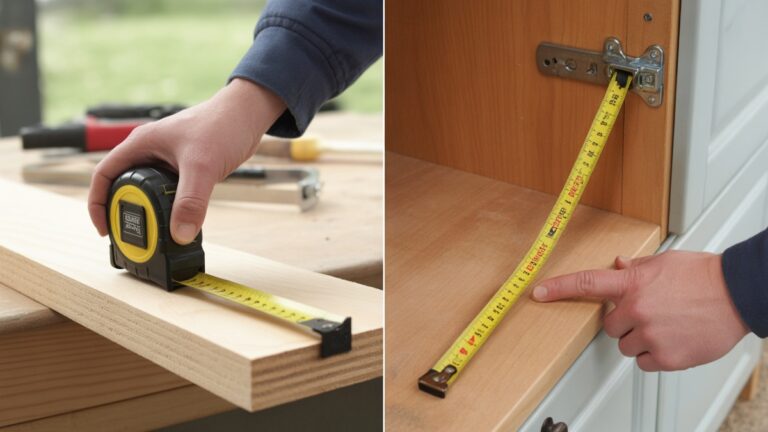
Measure your available space before buying. Choose a cabinet that fits your layout while still offering enough storage. Vertical designs are especially useful in small basements.
Best Tool Cabinet Setups for Basement Workshops
The best setup depends on the size of your workspace. Here’s how to approach different scenarios.
Small Basement Workshop
In a compact space, go vertical. Use a tall cabinet combined with wall-mounted storage. This keeps your floor clear and maximizes available space.
Medium-Sized Workshop
A balanced setup works best here. Combine a base cabinet with a workbench and wall storage. This creates a functional layout without overcrowding the room.
Large Basement Workshop
With more space, you can create dedicated zones. Use multiple cabinets for different tool categories. Add modular systems to keep everything organized and scalable.
Top Brands and Systems to Consider
Several brands dominate the tool storage market. Each offers unique advantages depending on your needs and budget.
Mid-Range and DIY-Friendly Brands
Brands like Husky, Craftsman, and Kobalt provide solid performance at affordable prices. They are great for homeowners and hobbyists.
Modular Storage Systems
Systems like Milwaukee PACKOUT and DeWalt ToughSystem are popular for their flexibility. They allow you to expand your setup over time and keep everything compatible.
Premium and Industrial Options
High-end cabinets offer superior durability and advanced features. These are ideal for serious DIYers or professionals who need long-lasting storage solutions.
What Makes a Brand Reliable
Look for strong warranties, good customer reviews, and compatibility with other tools or systems. A reliable brand ensures your investment pays off in the long run.
Basement-Specific Buying Tips
Basement workshops require extra attention when it comes to storage.
Protect Against Moisture
Use cabinets with powder-coated finishes to resist rust. Consider adding moisture absorbers or a dehumidifier to protect your tools.
Maximize Vertical Space
Install wall-mounted cabinets and shelving. This keeps your workspace open and organized.
Plan for Future Growth
Your tool collection will likely grow. Choose a system that allows expansion so you don’t have to replace everything later.
Common Mistakes to Avoid
Avoiding these mistakes can save you time and money.
- Buying a cabinet that is too small for your needs
- Ignoring weight capacity limits
- Choosing low-quality materials that wear out quickly
- Not planning your layout before purchasing
- Forgetting to account for humidity and moisture
Tool Organization Tips for Maximum Efficiency
Even the best cabinet won’t help if your tools are not organized properly.
Group Tools by Category
Keep similar tools together. Store hand tools in one drawer and power tools in another. This makes everything easier to find.
Use Labels and Dividers
Label drawers and use dividers to keep items separated. This reduces clutter and improves efficiency.
Incorporate Vertical Storage
Use pegboards, hooks, and rails for frequently used tools. This keeps them within reach and frees up drawer space.
Maintain Your Cabinet
Clean your cabinet regularly and check for signs of wear. Lubricate drawer slides to keep everything running smoothly.
Frequently Asked Questions
What is the best material for tool cabinets in basements?
Steel is the best option due to its strength and durability. Powder-coated finishes help prevent rust in humid environments.
Are rolling tool cabinets suitable for basement workshops?
They can be useful, but stationary cabinets are usually better for stability and long-term setups.
How do I prevent rust in a basement tool cabinet?
Use moisture control methods such as dehumidifiers and silica packs. Choose cabinets with protective coatings.
What size tool cabinet do I need?
It depends on your tool collection. Always choose a slightly larger cabinet to allow room for future tools.
Are modular tool storage systems worth it?
Yes, they offer flexibility and can grow with your needs, making them a smart long-term investment.
Conclusion
A well-organized basement workshop starts with the right tool storage cabinet. By focusing on durability, smart design, and efficient layouts, you can transform your workspace into a productive and clutter-free environment.
Take time to evaluate your needs, measure your space, and invest in a system that can grow with you. The right cabinet not only protects your tools but also improves your workflow and overall experience. With the right setup, your basement workshop can become one of the most efficient and enjoyable spaces in your home.